Buying Property from a Non-Resident Just Got Easier for Individual Buyers

Purchasing property from a non-resident seller has traditionally involved additional tax at source (TDS) compliance for resident individual buyers and Hindu Undivided Family (HUFs), including the requirement to obtain a Tax Deduction and Collection Account Number (TAN). A resident individual or HUF purchasing immovable property from a non-resident seller was previously required to obtain a Tax Deduction and Collection Account Number (TAN), deduct the applicable…


India’s New Financial Reality is Forcing CFOs to Rethink Treasury and Forecasting

Finance & Accounting Insights | October 2026 | India Edition The annual budget was built for a world that no longer exists. For much of the past two years, Indian finance teams operated on a relatively comfortable assumption: inflation was moderating, the Reserve Bank of India (RBI) was easing monetary policy, and the rupee’s depreciation remained manageable. That assumption has now been challenged. On 7…

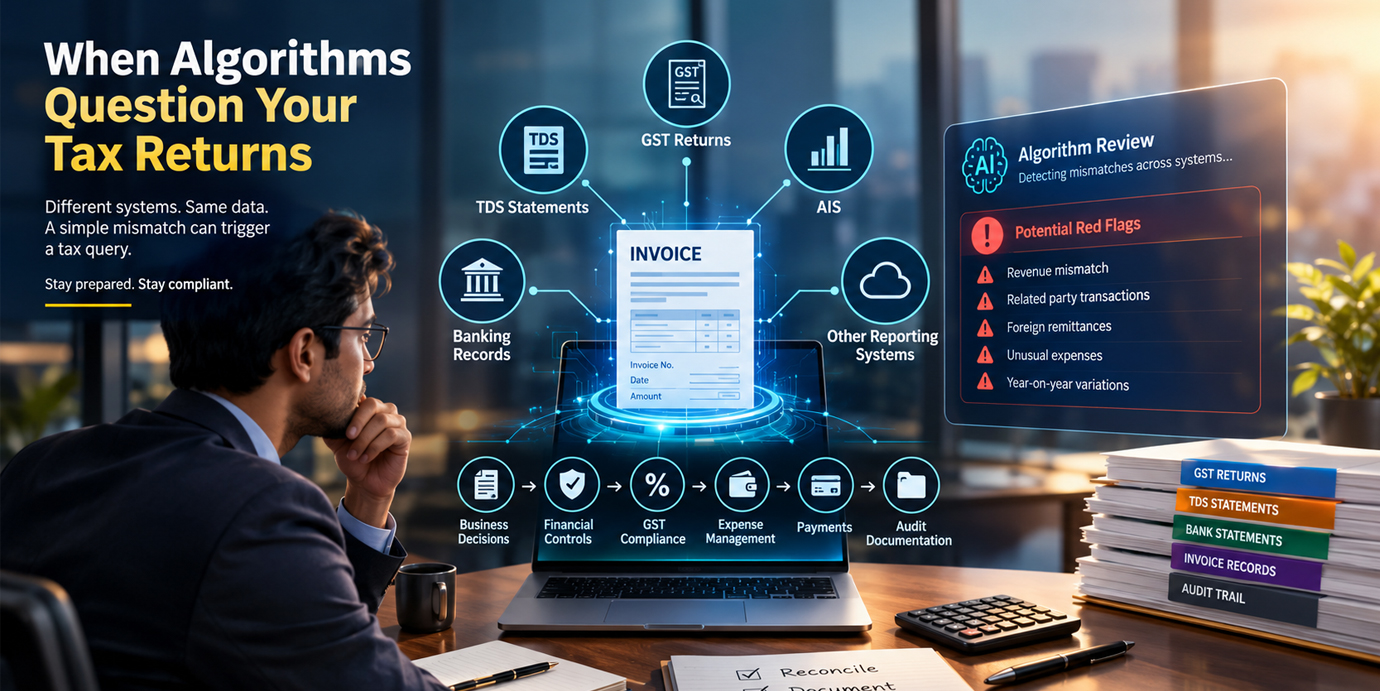
When Algorithms Question Your Tax Returns

Tax disputes are changing. The next question from the tax authorities may be generated by data before it is raised by a human. Tax administration is no longer limited to what a taxpayer reports in its income-tax return. Today, information flows across multiple systems, including GST returns, TDS statements, the Annual Information Statement (AIS), financial transactions, foreign remittances, banking records and information reported by third…

The Extraordinary Journey of an Invoice

An invoice may look like nothing more than a quiet, single-page PDF resting in an inbox. In reality, it represents an active journey through business strategy, Indian tax compliance, technology workflows, accounting, and internal controls. Before an invoice becomes an entry in the general ledger, a business owner has made a decision, a manager has approved a purchase, a vendor has delivered goods or services,…

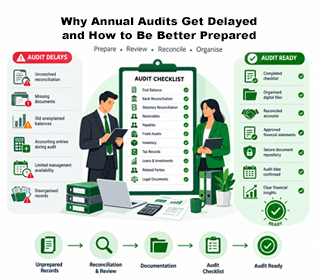
Why Annual Audits Get Delayed and How to Be Better Prepared

For most businesses, the annual audit is expected to begin once the financial year is closed and the books are finalised. In practice, however, an audit rarely starts with just a Trial Balance. An efficient audit requires supporting schedules, reconciliations, confirmations, explanations for significant balances and access to relevant documents. When these are not available at the beginning of the audit, the process can turn…